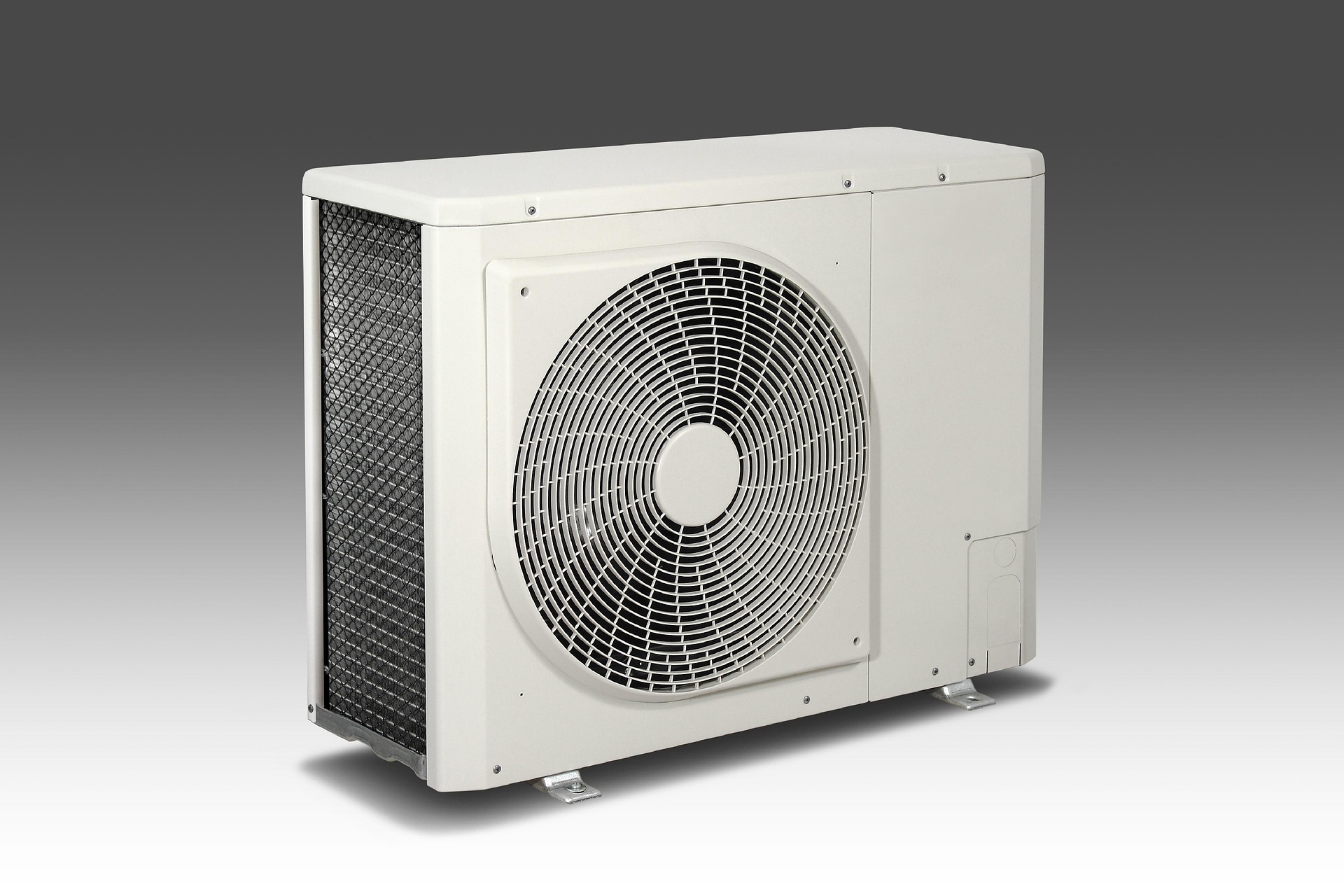
When an air conditioner struggles on a hot day, the instinct is to go bigger next time. It feels like buying margin. In practice, an oversized system is one of the surest ways to end up with a house that's cold but clammy, uneven room to room, and hard on the equipment.
Comfort comes from runtime, not tonnage
Cooling does two jobs: it drops the temperature (sensible) and it pulls moisture out of the air (latent). Temperature responds fast; moisture removal takes time on the coil. An oversized unit blasts the air to the thermostat setpoint and shuts off before it has run long enough to wring out humidity. The thermostat is satisfied; the air still feels damp.
What oversizing actually does
- Short-cycling: frequent starts and stops that never reach steady, efficient operation.
- Poor dehumidification: the "cold and clammy" feeling, and a breeding ground for mold and dust mites.
- Uneven temperatures: the unit satisfies the thermostat before distant rooms catch up.
- Faster wear: compressors and blowers hate frequent starts; short cycles shorten their life.
- Higher cost: you pay more up front for equipment that runs worse.
Right-size to the load
The fix is to size to a calculated load, not a square-footage guess. A whole-house block-load estimate accounts for your climate zone, envelope, glass, and infiltration, and lands you in a defensible tonnage range you can check a contractor's quote against. For a permit and final equipment selection, that's formalized as a room-by-room ACCA-approved load calculation, but a block-load estimate is more than enough to catch an oversized proposal before you sign it.